

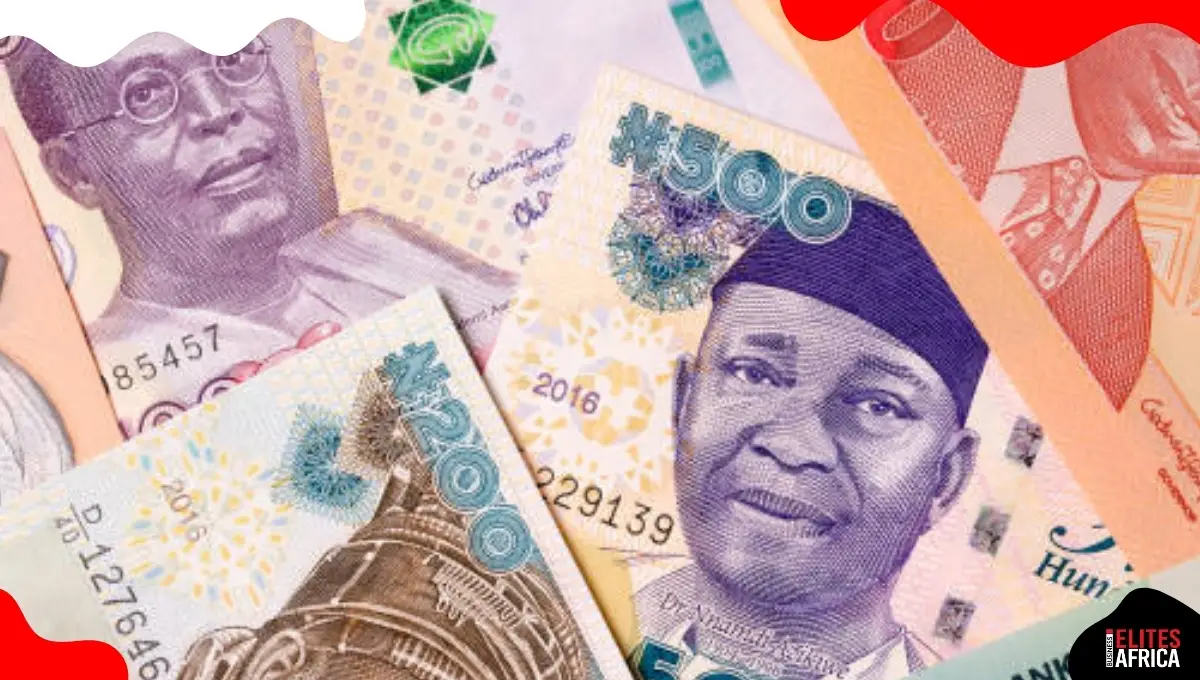
Saving money in Nigeria right now is quite difficult, considering the state of the economy, and not because Nigerians are careless or irresponsible. The numbers genuinely do not add up the way they used to.
Salaries are still the same, and the saving advice most of us grew up hearing simply does not apply to this economy.
The Numbers Are Working Against You
If you earned N200,000 a month two years ago and you still earn N200,000 today, you have effectively taken a pay cut.
The amount looks the same in your bank account, but it buys far less than it used to. Rent has gone up. Food has gone up. Transport has gone up. Data and electricity have followed. Your salary is standing still while the cost of living keeps rising.
This is not a personal failure. It is the economic reality that millions of Nigerian professionals are living with right now.
This matters because many young professionals are quietly blaming themselves for not being able to save, when the truth is that the environment has made saving genuinely harder than it was before.
The Old Saving Advice Has a Problem
Most saving advice works on a simple assumption. If you cut out unnecessary spending, there will be money left to save. Stop buying coffee. Cook at home. Cancel subscriptions. That advice is not entirely wrong, but it misses something important.
For many young professionals in Nigeria today, the problem is not luxury spending. The problem is that basic and unavoidable expenses like food, rent, and transport have grown so large that they are consuming most or all of the income. You cannot cut your way to savings when the essentials are already taking everything.
This does not mean saving is impossible. It means the approach needs to change.
What Actually Works Right Now
The first practical change is to save before you spend, not after. This is not a new idea, but it becomes especially important when the cost of living is high. If you wait to see what is left at the end of the month, the answer will almost always be nothing. Something always comes up.
The only reliable way to save consistently is to move a fixed amount into a separate account the moment your salary arrives, before anything else.
And that amount does not have to be large. Right now, the goal is not to save aggressively. The goal is to save consistently. N5,000 set aside every month without fail is worth more than N30,000 saved once and then abandoned for the next five months because life got difficult.
The second change worth making is to think carefully about where your money is sitting. A regular savings account in Nigeria is currently losing value in real terms. If inflation is higher than the interest your bank is paying you, your savings are quietly shrinking even when you are not spending them.
This is why more young professionals are looking at alternatives such as dollar savings accounts, treasury bills, and money market funds. These are options that give your money a better chance of keeping its value. None of these are without risk, but leaving everything in a naira savings account carries its own risk, even if it feels safe because it is familiar.
What About an Emergency Fund?
Financial advisors will tell you to save three to six months of your expenses before doing anything else. That is good advice in principle. In practice, for someone on a modest salary in Lagos or Abuja right now, saving six months of expenses can feel so far away that it becomes more discouraging than motivating.
A more realistic approach is to aim for one month first. Then two. Having N50,000 set aside for an emergency is not the ideal amount, but it is far better than having nothing when something goes wrong, and something always goes wrong eventually.
The Part Nobody Talks About
There is an emotional side to saving in a hard economy that rarely gets discussed. When life feels financially unstable, spending can become a way of coping. Buying something small gives a brief sense of relief and control in an environment that often feels out of control. That is a very human response to stress, not a character flaw.
But it is worth asking yourself honestly whether some of your spending is solving an emotional problem rather than a practical one. That awareness alone can change the way you make decisions.
It also needs to be said clearly. Saving money in Nigeria in 2026 is hard. If you are managing to put anything aside at all, that is something to acknowledge, not feel guilty about. The goal is steady progress, not perfection.
Where Do You Start?
If you are wondering what the first step is, here it is. The moment your salary arrives this month, move a fixed amount into a separate account you will not touch casually. Whatever you can honestly afford, even if it feels small.
Then look at where that money is sitting and ask whether it is at least holding its value. If it is not, begin looking at one alternative. Just one.


