Africa risks remaining peripheral in an increasingly volatile global order unless its states coordinate their diplomatic actions and build stronger continental consensus, foreign policy scholars warned on Thursday at a policy lecture in Lagos.
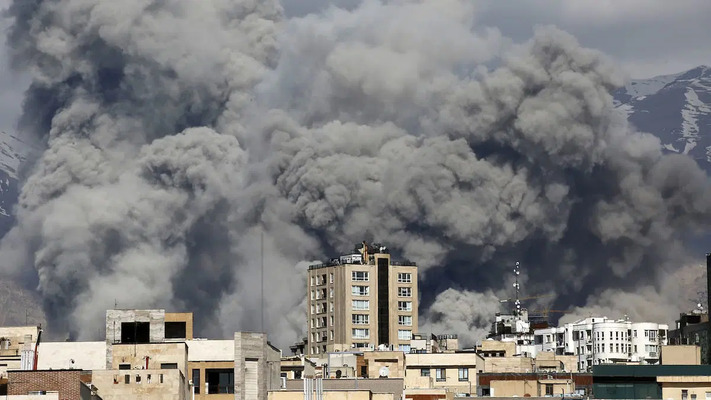
The warning came at the Foreign Policy Lecture Series organised by the Nigerian Institute of International Affairs (NIIA), themed Israel, Africa and global geopolitical shifts, where experts examined the implications of the Middle East crisis and shifting global alliances for Africa.
Read also: Middle East war: PMS hits N970 in Awka, IPMAN fears hike
Speaking at the event, Bolaji Akinyemi, former Nigerian foreign affairs minister, said African states must prioritise consultation in foreign policy decisions rather than acting unilaterally and expecting automatic support from other countries on the continent.
“We should get to the point where our policies come out of a consensual background and not one where one nation goes by itself and expects others out of solidarity to line up behind it,” Akinyemi said.
He cited South Africa’s decision to institute a case against Israel at the International Court of Justice over the Gaza war as an example of a major diplomatic step that could have benefited from broader consultation among African states.
While noting that every country retains the sovereign right to pursue its own diplomacy, Akinyemi argued that consultation strengthens Africa’s collective bargaining power on the global stage.
“At least it would have taken the step to consult and persuade other African nations of the need for a united approach,” he said.
Read also: Middle East crisis threatens Africa’s disinflation, rate-cut cycle
Akinyemi also warned that Africa must be cautious about the spillover effects of conflicts in other regions, particularly the escalating tensions in the Middle East.
“One of the challenges we must face is to ensure we constrict that war to that area… we must take a position to ensure that nobody comes and throws bombs on our soil,” he said.
Delivering the lecture, Hassan Saliu, professor of international relations said the changing geopolitical landscape underscores the need for Africa to rethink its strategic positioning.
According to him, global powers such as the United States, Russia and China often act primarily in pursuit of their own national interests, meaning African countries must rely more on internal cohesion than external alliances.
“Any country that expects permanent support from global powers may be disappointed because their actions are guided by their national interests,” Saliu said
Read also: Iran’s foreign minister accuses Trump of betraying diplomacy as UK summons Tehran envoy
He also examined Israel’s increasing engagement with African states, describing it as part of a wider strategy to deepen influence in regions gaining strategic importance in global politics.
Saliu noted that complex geopolitical issues, including the question of self-determination in territories such as Somaliland, demonstrate how regional disputes often intersect with broader international power competition.
To navigate these shifts, he argued that African states must deepen unity, strengthen governance and develop greater strategic and military capacity to protect their interests in the international system.
“As long as African countries remain divided, there is little positive that can come their way,” he said
Faith Omoboye
Faith Omoboye is a foreign affairs correspondent with background in History and International relations. Her work focuses on African politics, diplomacy, and global governance.