For much of Africa’s post-independence history, the presidency was widely seen as a man’s office. Power was shaped by liberation movements, military rule, and political parties dominated almost entirely by men. The idea that a woman could lead a nation at the highest level often seemed distant, even unlikely.
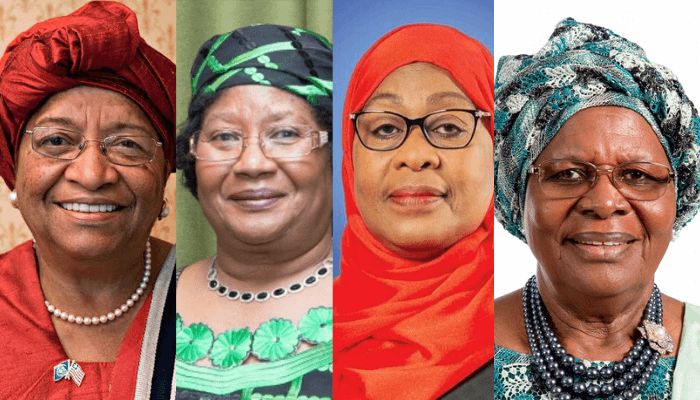
That perception began to change in 2006 when Ellen Johnson Sirleaf, 87, was elected president of Liberia. Her victory was historic. It made her Africa’s first elected female president and marked a turning point in the continent’s political history.
Sirleaf came to power after years of civil war had devastated Liberia’s economy and institutions. A trained economist and former finance minister, she entered office with a clear focus on rebuilding the country’s finances and restoring international trust. During her presidency, Liberia secured major debt relief and re-established relations with global financial institutions. Economic growth resumed in the years following the war, although progress was disrupted by the Ebola outbreak and declining commodity prices.
Read also: IWD2026: Women already give enough; It’s time to redefine the gain
Her election also carried symbolic weight across Africa. For the first time, a woman had broken through the highest political barrier on the continent.
Sirleaf’s presidency was followed by another historic moment in Malawi. In 2012, Joyce Banda, 75, became president after the sudden death of President Bingu wa Mutharika. Banda inherited an economy facing severe shortages of fuel and foreign exchange. Her government moved quickly to restore relations with international organizations. It introduced economic reforms aimed at stabilising the country’s finances, though the policies also brought painful currency adjustments for ordinary citizens.
Nearly a decade later, another woman would step into the presidency in Tanzania. Samia Suluhu Hassan, 66, became the country’s first female leader in 2021 following the death of President John Magufuli. Hassan adopted a more open political style and worked to repair strained ties with international partners. Under her administration, Tanzania has focused on expanding infrastructure, tourism, and foreign investment as it seeks to strengthen economic growth.
Read also: IWD: Five women driving Nigeria’s agricultural transformation
The most recent addition to Africa’s small circle of female presidents is Netumbo Nandi-Ndaitwah, 73, who won election in 2024 to become the first woman to lead Namibia. A veteran diplomat and long-time member of the ruling SWAPO party, she now faces the challenge of tackling unemployment while steering an economy built on mining, energy, and emerging green industries.
The number of female presidents in Africa remains small, but the path they have opened is significant. Each leader reached office through different circumstances. Sirleaf was elected through a democratic election after war. Banda through constitutional succession during a national crisis. Hassan through the vice presidency. Nandi Ndaitwah through the ballot box.
Together they show that the once unthinkable has become possible.
In global politics, Europe still leads in the number of women holding top political office. But Africa’s experience suggests that change often begins slowly before it gathers momentum.
Read also: IWD: Spotlighting women transforming Nigeria’s healthcare
Two decades ago, a female president on the continent seemed improbable. Today it is no longer a surprise. And as more women rise through political parties and public service, the next generation of African leaders may include many more women at the very top.
Faith Omoboye
Faith Omoboye is a foreign affairs correspondent with background in History and International relations. Her work focuses on African politics, diplomacy, and global governance.