


Felicity Bradstock
Felicity Bradstock is a freelance writer specialising in Energy and Finance. She has a Master’s in International Development from the University of Birmingham, UK.
More Info
Set us as your preferred Google source
Premium Content
By Felicity Bradstock – Apr 11, 2026, 2:00 PM CDT
- Rising oil and petrol prices are making EVs more attractive to cost-conscious consumers.
- Used-EV sales are gaining momentum in Europe and the United States as interest grows.
- Analysts say the shift could boost EV demand, though likely gradually rather than suddenly.

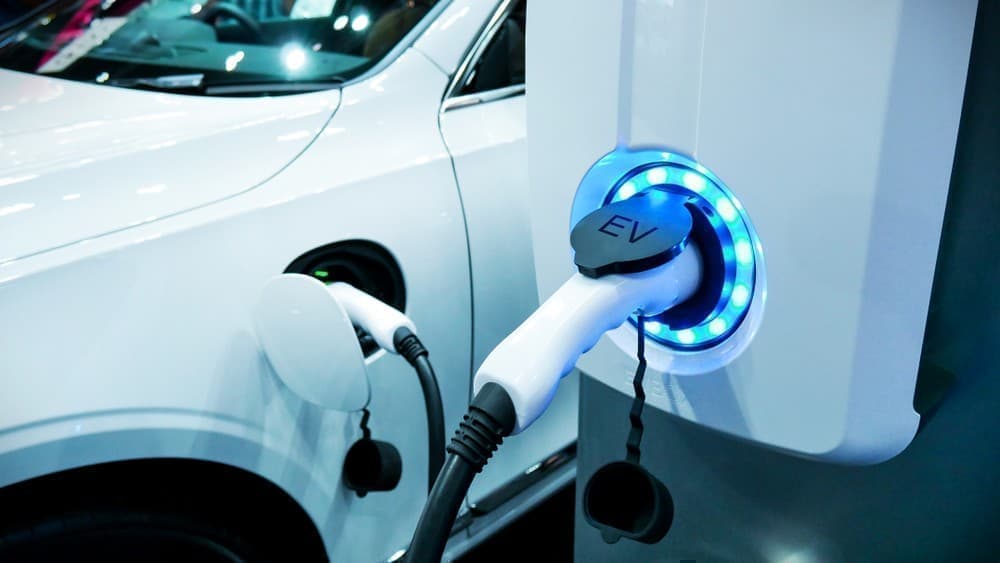
The war in Iran and broader Middle East conflict are making consumers and policymakers more aware of the vulnerabilities that face the global energy market. The price of fossil fuels is rising higher and higher, as supply chain disruptions are spurring oil shortages around the world. As governments worldwide evaluate their next moves, consumers appear to be increasingly turning to electric vehicles (EVs) to reduce their reliance on petrol.
Many governments have introduced policies that aim to encourage the purchase of EVs and dissuade consumers from buying new internal combustion engine (ICE) vehicles. Following the Covid-19 pandemic, the move formed part of a broader global trend to support a green transition, thereby reducing reliance on polluting fossil fuels. This led automakers around the world to pump billions into EV production. However, over the past couple of years, it has become clear that the EV boom is happening at a slower pace than previously anticipated, leading many EV-makers to backtrack on higher production aims.
Now, recent predictions suggest that higher prices at the pumps could drive a resurgence in EV demand. The Iran war has severely disrupted oil trade through the Strait of Hormuz, where around a fifth of the world’s oil and liquified natural gas (LNG) is typically transported. This has led to severe energy shortages in several areas of the world and has driven up energy prices in recent weeks. Many analysts now expect this trend to spur interest in EVs among consumers looking for an alternative to a petrol-fuelled vehicle.


Multiple car-sale platforms in the United States and Europe have reported a significant rise in consumer interest for EVs since the beginning of the Iran war, in late February. On March 26, the online vehicles marketplace Autotrader stated that inquiries into buying a new EV had risen by 28 percent, and for used EVs, inquiries increased by 15 percent. Meanwhile, the EV specialist Octopus Electric Vehicles said that inquiries into EV leasing had risen by 36 percent over a similar period.
With oil prices set to rise even further, many consumers are now exploring their options. People that need to travel long distances by car on a regular basis may find it more cost-effective to invest in an EV, rather than increasing their spending on petrol each week, as the benefits of investing in an EV could outweigh those of owning an ICE vehicle. Several EV-makers are already using the high cost of petrol as part of their marketing technique.
A senior consultant at JATO Dynamics, Steffen Michulski, explained, “To shorten and summarise it: Yes, elevated oil prices and the renewed focus on energy security are likely to provide a midterm boost to BEV demand… But this is best understood as an incremental shift rather than a sudden market-wide acceleration.”
Meanwhile, CarMax’s Edmunds.com stated, “Fuel prices have long influenced how drivers think about their next vehicle because they are one of the most visible costs of car ownership. But whether the latest spike translates into meaningful shifts toward electrified vehicles may depend less on the price of gasoline itself and more on how long consumers expect fuel costs to remain elevated.”
In Europe, used-EV sales have increased in recent weeks, according to several websites. Between February 23 to March 16 the average cost of petrol in the European Union rose by 12 percent, to 1.84 euros ($2.12) per litre. The French online used-car retailer Aramisauto reported that its share of EV sales almost doubled from February 16 to March 9, growing from 6.5 percent to 12.7 percent. Meanwhile, the share of sales of ICE vehicles decreased from 34 percent to 28 percent over the same period, while its diesel vehicle sales share fell from 14 percent to 10 percent. A similar trend was seen following the Russian invasion of Ukraine in 2022, according to Aramisauto.
While the ongoing conflict, and resulting higher fuel price, is an obvious reason for the resurgence of interest in EVs, the figures suggest that consumers may already have been showing greater interest in EVs in recent months. The CEO of Amsterdam-based Olx, Christian Gisy, stated, “What’s particularly telling is that EV interest was already trending upward before recent events… The instability appears to have accelerated a transition that was already underway.”
Luckily for consumers, the price of used EVs has been gradually falling, meaning that it is becoming easier to purchase a second-hand EV for a fraction of the price of a new model or a new ICE vehicle. This has led used-EV sales to increase in recent months, even as the sale of new EVs has fallen. This could encourage more consumers to take the gamble and make the switch from an ICE vehicle to an EV, especially in the face of global energy shortages and higher fuel prices.
By Felicity Bradstock for Oilprice.com
More Top Reads From Oilprice.com
- Oil Prices Climb Toward $100 as Iran Ceasefire Doubts Deepen
- Saudi Oil Output and Key Pipeline Hit as Attacks Cut Supply
- China Weighs Bailout for Airlines Struggling with Fuel Shock
Download The Free Oilprice App Today



Back to homepage
Felicity Bradstock
Felicity Bradstock is a freelance writer specialising in Energy and Finance. She has a Master’s in International Development from the University of Birmingham, UK.
More Info
Related posts
Leave a comment