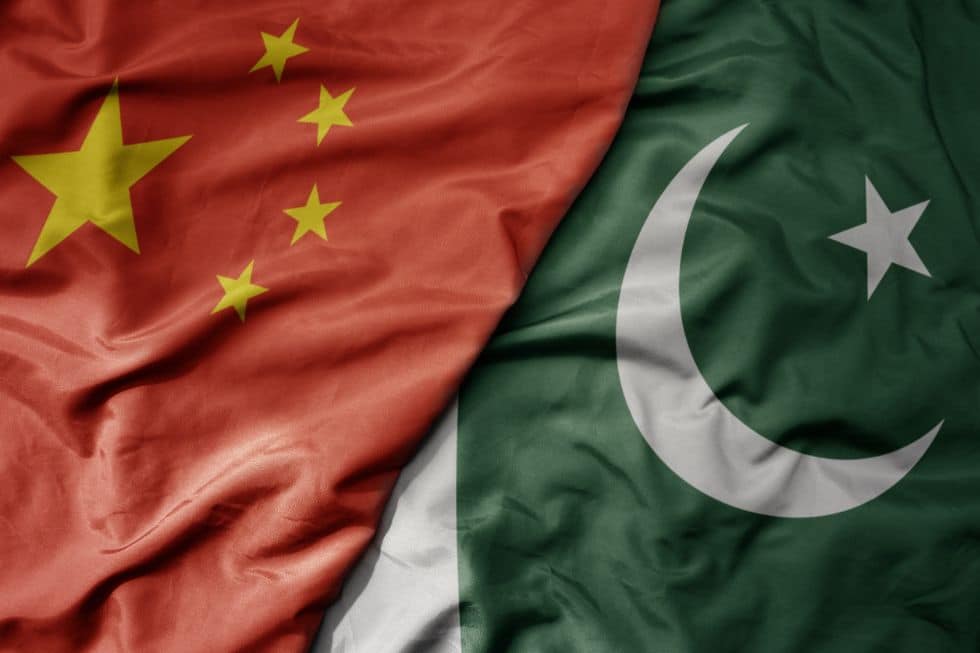
China and Pakistan have jointly proposed a five-point initiative aimed at restoring peace and stability in the Gulf and Middle East, calling for an immediate ceasefire, urgent dialogue, and strengthened protection for civilians and critical infrastructure.
The proposal emerged after talks in Beijing between Wang Yi, Chinese Foreign Minister and Ishaq Dar, Pakistan’s Deputy Prime Minister and Foreign Minister on March 31, 2026, where both sides reviewed the escalating tensions across the region.
At the heart of the initiative is a call for the immediate cessation of hostilities, with both countries urging all parties involved in ongoing conflicts to prevent further escalation.
They also emphasized the need for unrestricted humanitarian access to affected populations.
China and Pakistan stressed that dialogue remains the only viable pathway to resolving disputes, advocating for the swift commencement of peace talks.
The proposal underscores the importance of respecting the sovereignty and territorial integrity of countries in the region, particularly Iran and Gulf states.
The two nations called on all parties to commit to peaceful negotiations and avoid threats or use of force during the process.
The initiative places strong emphasis on adherence to international humanitarian standards, urging warring parties to halt attacks on civilians and non-military targets.
“Critical infrastructure, including energy facilities, desalination plants, power systems, and even peaceful nuclear installations, must be safeguarded”, the statement noted, warning that damage to such assets could worsen humanitarian conditions.
China and Pakistan also highlighted the strategic importance of the Strait of Hormuz, a vital corridor for global energy supplies and trade.
They called for the protection of vessels and crews in the region, urging parties to ensure the safe and swift passage of commercial ships and restore normal shipping operations as quickly as possible.
The proposal further emphasized the primacy of multilateralism, with both countries advocating for a stronger role for the United Nations in conflict resolution.
They called for efforts to align peacebuilding initiatives with the principles of the UN Charter and international law, including the development of a comprehensive and lasting peace framework.
Speaking on the initiative, Mao Ning, Chinese Foreign Ministry spokesperson described the proposal as centered on three key principles: “cease, talk, and ensure.”
She said the plan reflects a shared understanding between Beijing and Islamabad on the urgency of ending hostilities, initiating dialogue, and ensuring security across conflict zones.
Mao added that China would continue to engage closely with Pakistan and other stakeholders to play a “constructive role” in de-escalating tensions and promoting peace in the region.
A statement from the Chinese Embassy noted that while responding to questions on whether the Beijing talks addressed the ongoing border tensions between Afghanistan and Pakistan, Mao declined to provide further details, referring reporters to the official readout of the meeting.