Africa’s oil market in 2026 reflects a paradox vast crude reserves but limited downstream strength. The continent holds roughly 7–8 percent of global proven oil reserves, yet captures only a fraction of refining value due to constrained capacity and chronically low utilisation, often below 50 percent
- 1. Dangote Refinery — Nigeria (650,000 bpd)
- 2. Skikda Refinery — Algeria (356,500 bpd)
- 3. Sasol Secunda and Natref Complex — South Africa (250,000–300,000 bpd)
- 4. Ras Lanuf Refinery — Libya (220,000 bpd)
- 5. Port Harcourt Refinery — Nigeria (210,000 bpd)
- 6. Mostorod Refinery — Egypt (161,000 bpd)
- 7. El Nasr Refinery — Egypt (131,000 bpd)
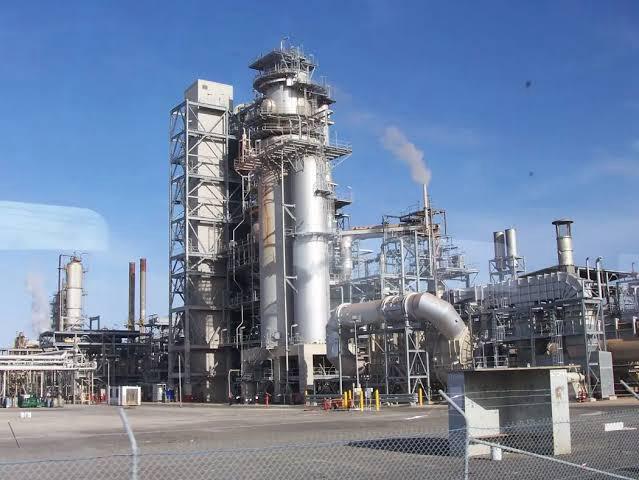
Against that backdrop, a handful of large-scale refineries are reshaping Africa’s energy landscape.
Here are the seven largest oil refineries in Africa.
Read also: 7 largest oil refineries in the world in 2026
1. Dangote Refinery — Nigeria (650,000 bpd)
Africa’s largest refinery, the Dangote complex is a fully integrated petrochemical and refining hub built by Dangote Industries. Located in the Lekki Free Trade Zone, it is designed to meet domestic demand and position Nigeria as a net exporter of refined products.
2. Skikda Refinery — Algeria (356,500 bpd)
Operated by Sonatrach, Skikda is a cornerstone of Algeria’s downstream sector, supplying both domestic and export markets with fuels and petrochemical feedstocks.
Read also: Top five African countries with the most oil refineries
3. Sasol Secunda and Natref Complex — South Africa (250,000–300,000 bpd)
Sasol’s hybrid system blends conventional refining with coal-to-liquids technology. Together, Secunda and Natref form one of Africa’s most strategic fuel supply networks.
4. Ras Lanuf Refinery — Libya (220,000 bpd)
Located along the Gulf of Sidra, Ras Lanuf is Libya’s largest refinery, designed as an export-oriented complex with integrated petrochemical production.
Read also: Top 10 active oil refineries by CDU capacity globally
5. Port Harcourt Refinery — Nigeria (210,000 bpd)
This dual-complex refinery remains a key part of Nigeria’s refining system, combining older and newer facilities to supply petrol, diesel, kerosene and LPG.
6. Mostorod Refinery — Egypt (161,000 bpd)
Upgraded into a modern processing hub, Mostorod focuses on converting low-value heavy fuel oil into cleaner, high-value products such as Euro V diesel and jet fuel.
7. El Nasr Refinery — Egypt (131,000 bpd)
One of Egypt’s oldest refineries, El Nasr continues to play a vital role in supplying fuels and industrial products through its extensive processing units.
bottom line