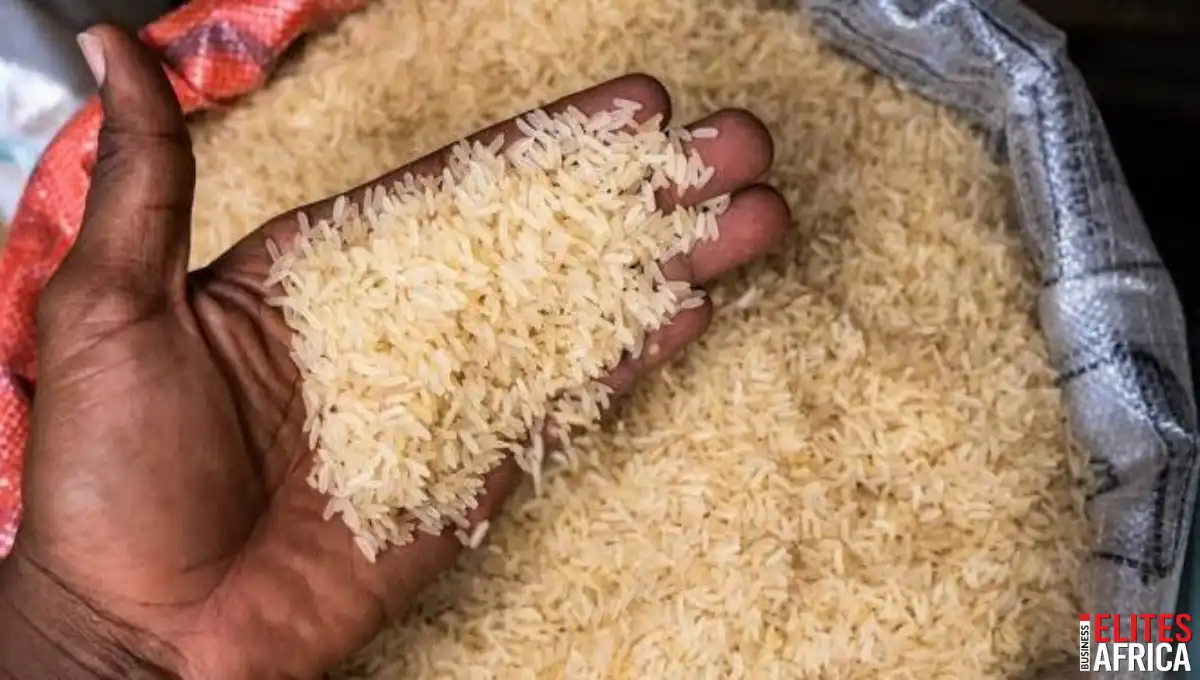


A 50kg bag of local rice now costs ₦112,000 in Nigeria.
Foreign rice has also climbed to ₦133,975. This fresh increase has raised concern over food affordability and household survival.
The figures came from the National Bureau of Statistics’ March 2026 Selected Food Price Watch report.
The latest data shows how deeply food inflation now affects Nigerian families. Rice remains one of the country’s most consumed staple foods.
Local Rice Jumps by 20.5 Percent
The NBS report showed that local rice rose by 20.5 percent in one month.
A 50kg bag moved from ₦92,946 in February 2026 to ₦112,000 in March 2026.
This means the price increased by more than ₦19,000 within one month.
For many families, that jump is severe. It also shows how fast basic food items are moving beyond the reach of low-income earners.
Foreign Rice Now Costs ₦133,975
Imported rice also became more expensive.
According to the report, a 50kg bag of foreign rice rose to ₦133,975 in March 2026.
The price increased from ₦110,589 recorded in February. That shows a 3.06 percent rise within the same period.
The gap between local and foreign rice also remains wide. Foreign rice now costs about ₦21,975 more than local rice.
Rice Now Costs More Than Minimum Wage
The new rice price has created a painful comparison.
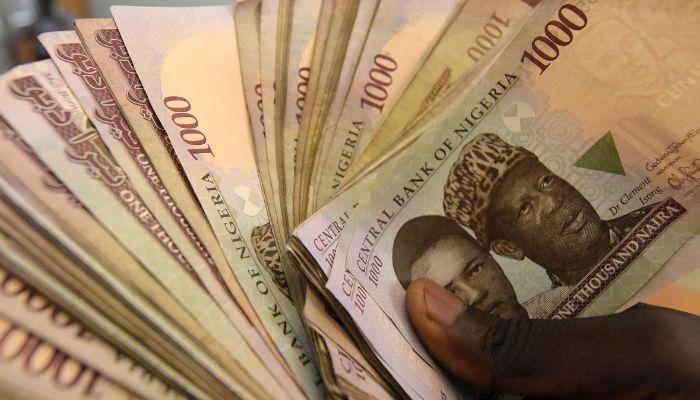
Nigeria’s national minimum wage stands at ₦70,000. But a 50kg bag of local rice now costs ₦112,000.
That means a worker earning minimum wage cannot buy one bag of local rice with a full month’s salary.
Foreign rice is even farther out of reach. At ₦133,975, it costs almost twice the monthly minimum wage.
This is why many households now spend a larger share of their income on food.
Why Rice Prices Are Rising
Several factors continue to push rice prices higher.
Transport costs remain high because fuel prices still affect movement of goods.
The naira’s weak value also raises the cost of imports and market supplies.
Market instability has made pricing harder for traders and buyers.
Local farmers also face pressure from rising production costs. Some farmers have complained that imported rice affects local sales and discourages production.
Temporary Price Drops Did Not Last
Some markets recorded lower rice prices earlier in the year.
Reports showed that some brands sold for about ₦56,000 per 50kg bag in certain locations.
That drop followed higher imports and government tariff waivers on some food items.
But the new NBS figures show that the relief did not last across the market.
Rice prices have now climbed again, putting fresh pressure on consumers.
Food Inflation Goes Beyond Rice
The NBS report also showed price increases in other common foods.
Beans, garri, onions, eggs and ginger also became more expensive.
This means the crisis goes beyond rice. Nigerians now face higher costs across many staple foods.
For many homes, the problem is no longer just inflation. It is survival.
What This Means for Nigerian Families
The new rice prices show how difficult feeding has become.
Rice is popular because it is easy to cook, widely available and common in many homes.
When its price rises sharply, families feel it quickly.
Low-income earners suffer the most. Many now have to reduce portions, switch to cheaper alternatives or buy in smaller quantities.
The latest data sends a clear message. Food prices remain one of Nigeria’s biggest economic problems, and households are paying the price every day.
Frequently Asked Questions
How much is a 50kg bag of local rice in Nigeria now?
A 50kg bag of local rice now costs ₦112,000, according to the NBS March 2026 Selected Food Price Watch report.
How much is foreign rice in Nigeria?
A 50kg bag of foreign rice now costs ₦133,975, according to the same NBS report.
How much did local rice cost in February 2026?
Local rice cost ₦92,946 for a 50kg bag in February 2026.
Why is rice expensive in Nigeria?
Rice is expensive because of high transport costs, fuel prices, naira weakness, import costs, market instability and rising production costs.
Can minimum wage buy a bag of rice in Nigeria?
No. Nigeria’s minimum wage is ₦70,000, while a 50kg bag of local rice now costs ₦112,000.