
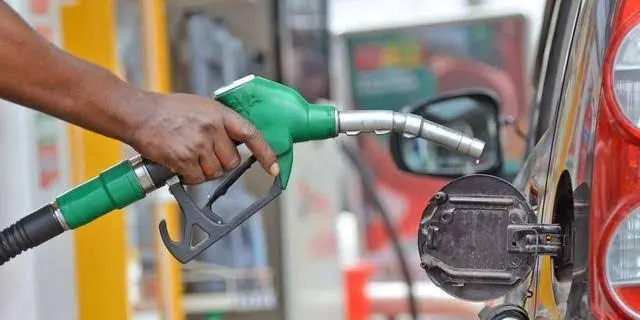


Nigeria’s fuel market faced challenges this week as petrol prices surged by about 13 percent within just 48 hours. This spike resulted from increasing tensions involving the United States, Israel, and Iran, which have affected global energy markets.
The sudden rise in prices followed a jump in international crude oil benchmarks, particularly Brent crude. Fears of supply disruptions grew after coordinated US-Israeli air and missile strikes targeted Iran.
In response, Tehran launched retaliatory attacks on energy infrastructure and shipping in the Gulf. This has caused traders to adjust for a higher risk premium on oil supplies.
Pump Prices Soar Nationwide
Starting Tuesday, drivers in Nigeria experienced a significant increase in petrol prices. At various Nigerian National Petroleum Company Limited (NNPCL) stations in the Federal Capital Territory, Premium Motor Spirit (PMS) was priced at around ₦960 per liter, according to reports. This is up from roughly ₦875 just two days prior, marking a 13 percent jump.
In Lagos, independent retailers like Bovas raised their prices from about ₦835 to ₦935 per litre. Reports from other states indicate some outlets are already charging over ₦1,000 in parts of northern Nigeria.
These price spikes arise from upstream cost pressures. Dangote Petroleum Refinery increased its ex-depot (gantry) price of petrol by ₦100. This is from ₦774 to ₦874 per litre, citing higher global crude replacement costs. Retailers have responded to protect their margins in Nigeria’s deregulated downstream sector.
Global Oil Shock and Local Effects
International markets reacted sharply to the growing conflict. On Wednesday, Brent crude traded around $84 per barrel. It is rising quickly as energy traders assessed the potential disruptions near the Strait of Hormuz. This area is critical, as it handles about 20 percent of the world’s seaborne oil and gas.
Nigeria imports refined products despite being a major crude exporter. Owing to this, the consequences have been immediate and severe. So far, most petrol supplies come from international markets, and local prices closely follow global crude movements under deregulation.
Industry Voices and Consumer Concerns
Industry groups have expressed concern about the rapid price hikes. Dr. Billy Gillis-Harry, the National President of the Petroleum Products Retail Outlets Owners Association of Nigeria (PETROAN), told reporters in Abuja that ongoing fluctuations in global crude prices will add strain to Nigerian consumers and businesses already facing inflation and currency challenges.
“With deregulation, pump prices closely follow global crude and forex movements. Sustained crude increases will inevitably hit retail levels,” Gillis-Harry said, highlighting the country’s vulnerability to external shocks.
Marketers are urging the Federal Government to focus on strengthening domestic refining capacity and ensuring a steady crude supply to local refineries as a buffer against global fluctuations.
Broader Economic Implications
The US-Iran is also affecting other energy markets. Diesel futures and liquefied petroleum gas (LPG) prices have risen worldwide due to growing supply uncertainties. In Nigeria, some domestic distributors have raised LPG prices by about ₦100 per kilogram, indicating broader inflationary pressures.
Analysts warn that if the geopolitical crisis continues, crude prices could exceed $100 per barrel, placing even more upward pressure on Nigeria’s cost of living.