
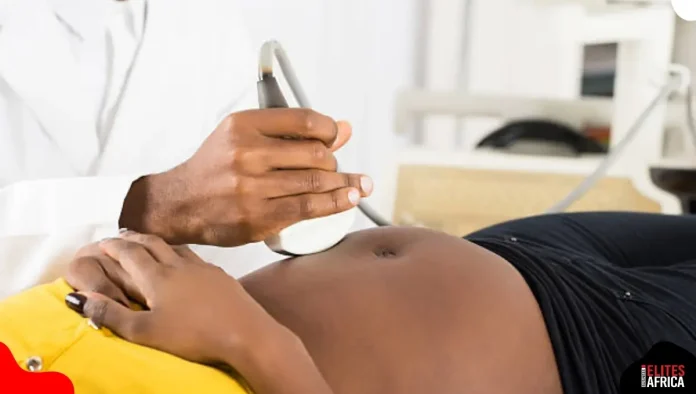



Paid maternity leave is an essential support system for working mothers, ensuring that they can care for newborns without facing financial strain.
Across Africa, countries differ widely in the amount they pay women during maternity leave, reflecting national policies, economic priorities, and social support systems.
Here are the Top 10 African Countries That Pay Women the Most on Maternity Leave:
1. Egypt – $10,161
Egypt leads the continent in maternity benefits, offering an average of $10,161. This high amount is part of the country’s broader social insurance system, which provides security to working mothers.
Egyptian women can take extended leave with financial stability, allowing them to focus on newborn care while maintaining their jobs. The policy also encourages women to stay in the workforce, boosting economic participation and gender equality.
2. Mauritius – $7,462
Mauritius ranks second, providing women with an average of $7,462 during maternity leave. The island nation has a strong emphasis on social welfare, ensuring that working mothers are not forced to choose between income and childcare.
Employers and the government work together to guarantee payments, making it easier for mothers to manage family responsibilities while contributing to the economy.
3. Seychelles – $6,954
Seychelles offers nearly $7,000 for women on maternity leave, reflecting the country’s progressive approach to gender equality. The policy supports women in both urban and rural areas, combining paid leave with flexible work arrangements.
This helps mothers return to work without losing financial independence or career momentum, and it signals the government’s commitment to family-friendly policies.
4. Libya – $3,181
Despite years of political and economic instability, Libya provides mothers with an average of $3,181. This benefit is part of the country’s effort to support women and families during challenging times.
Paid maternity leave ensures women can focus on their newborns without immediate financial worries, while employers retain skilled female employees for long-term workforce stability.
5. Gabon – $3,010
Gabon offers an average of $3,010 to women on maternity leave, underlining the country’s investment in maternal health and workforce retention.
The government enforces regulations that ensure women receive these benefits, which also serve to promote family wellbeing, reduce financial stress, and encourage women to participate actively in the workforce.
6. Congo Republic – $2,723
In the Congo Republic, women receive an average of $2,723 during maternity leave. The country has developed policies that combine statutory leave with financial support, helping women balance work and family life.
These measures ensure mothers can care for their infants while maintaining employment, which has positive effects on economic stability and gender equity.
7. Namibia – $2,518
Namibia provides $2,518 for maternity leave, reflecting the government’s commitment to workplace equality and social welfare. Women in Namibia benefit from supportive labour laws that protect their jobs and pay while they are on leave. These policies also encourage companies to invest in employee retention strategies that support female staff.
8. Algeria – $2,297
Algeria’s maternity leave benefits average $2,297, combining statutory paid leave with social security contributions. The country recognises the importance of supporting women in the workforce while ensuring the health and well-being of mothers and children.
Employers are legally required to comply with these rules, creating a structured system that protects women’s rights.
9. Botswana – $2,201
Botswana offers $2,201 on average for maternity leave, showing that even smaller economies can prioritise women’s welfare. The benefit allows mothers to recover after childbirth and care for their babies without immediate financial pressure.
This policy strengthens families and ensures that women can continue contributing to the economy while maintaining job security.
10. Morocco – $2,141
Morocco rounds out the top ten, providing women with $2,141 on maternity leave. The country combines paid leave with legal protections for working mothers, making it possible for women to focus on childcare without risking employment.
These policies also promote workplace equality, supporting women’s rights and encouraging greater female participation in business and government.