


TGIF. ☀️️
If you haven’t seen TechCabal’s Headlines yet, you should watch the show where we break down all the headlines in the African tech ecosystem of the week. You can watch Headlines here.

Features
Quick Fire 🔥 with John Ohio

John Ohio is a Product Design Lead at SeamlessHR, an HR and fintech platform serving businesses across Africa. His work sits at the intersection of AI integration, high-risk digital infrastructure, and scalable design systems. He has contributed to large-scale product transformations, including the redesign of recruitment and workforce systems, AI-enabled initiatives, and enterprise UX governance across multi-product ecosystems. His focus is on building resilient digital platforms where usability, compliance, and business logic must coexist.
- Explain what you do to a 5-year-old.
I design how computer tools look and behave. I also make sure that if something goes wrong, the system can recover or clearly explain what happened. So it doesn’t just look nice, it works the way it should.
- In what ways do you use integrated AI systems for design? Give us an example.
I use AI in two ways. First, as a design partner, to explore edge cases, test complex decision paths, and stress-test workflows quickly. Second, as part of the product itself.
For example, in recruitment software, AI can assist with screening patterns or flagging anomalies. But the real design challenge isn’t the model, it’s how people interact with it. We design transparency, feedback loops, and override controls so AI supports human judgment instead of quietly replacing it.
- Why did you embrace AI for your design processes? What relevance did you notice, and how has it contributed to the products you ship at SeamlessHR?
Enterprise systems are no longer linear. They’re layered with permissions, compliance rules, and risk thresholds. AI helps surface patterns and compress iteration cycles. What became clear early is that AI doesn’t replace design thinking; it exposes weak design thinking. If your flows aren’t structured, AI amplifies the confusion. If your systems are coherent, AI accelerates them.
Ride-hailing
inDrive introduces in-app advertising in South Africa
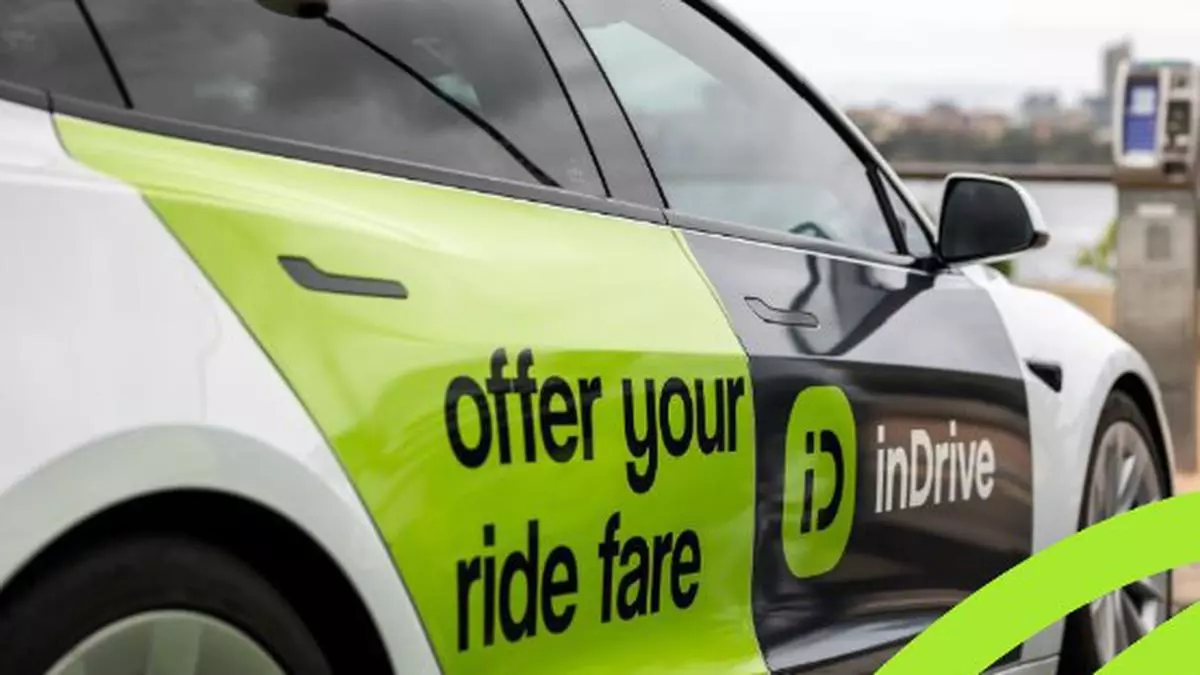
If you’re an inDrive user in South Africa, you’ll begin to see ads the next time you open the app to request a ride, instead of just watching the little car icon drive to your location. Welcome to inDrive Ads.
Here’s what happened: Ride-hailing platform, inDrive, has launched an in-app advertising platform in South Africa, placing banner ads in what it calls “low-friction” moments, like while the rider waits for their driver or during the trip.
Why is inDrive doing this? The ride-hailing business is a tightrope. Riders are price-sensitive, especially to increments. Drivers are commission-sensitive and push for price increments. Platforms, on the other hand, are margin-sensitive. In South Africa, where Bolt, Uber, and inDrive already compete on price, there’s little room to squeeze either side without backlash. For inDrive, ads have become its way out of that standoff. Advertising gives them revenue that doesn’t depend on each trip.
What it means: Africa’s ride-hailing market is crowded. While Uber continues to maintain a significant revenue share, Bolt differentiates itself with lower commissions, and inDrive, with a negotiation-based fare model that appeals to price-sensitive riders. Launching ads isn’t an admission of a failed model.
However, it does signal that ride commissions alone may not be enough for long-term sustainability.
Ads are the new side hustle: inDrive’s new experiment with in-app ads is not the first SaaS monetisation play we’ve seen on the continent. In 2024, Nigeria’s Chowdeck, a food delivery app, introduced in-app ads to add a new revenue source. Since then, Chowdeck has evolved to running an events-based advertising business on the side, while also selling airtime.
In Chowdeck’s case, it’s a super-app play. For inDrive, a ride-hailing platform, it seems like a low-effort way to make more money during wait times. Yet, two things will matter: inDrive’s scale and users’ willingness to click on ads while they wait for their rides. If it works, could we see the likes of Bolt and Uber adopt the same gimmick?
Telecoms
Nigeria restates its 2027 commitment to digital transformation
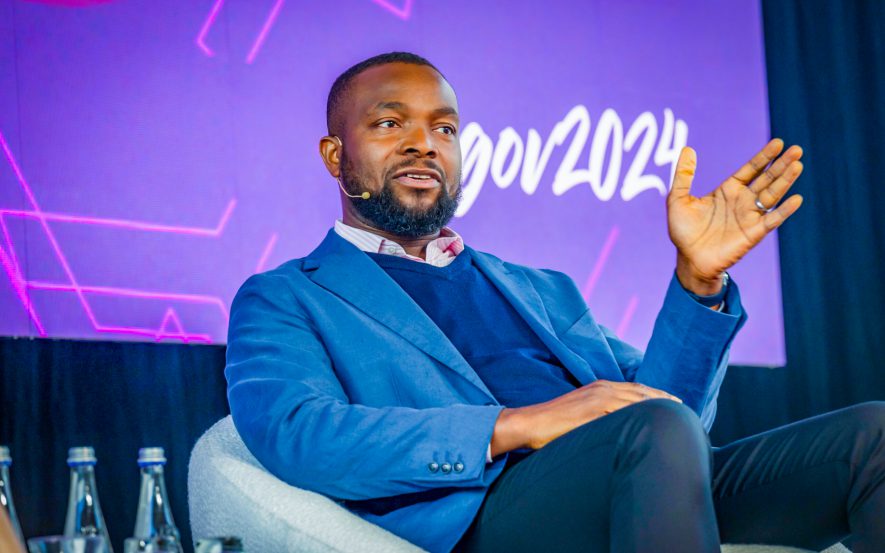
Nigeria’s Minister of Communications, Innovation, and Digital Economy, Dr. Bosun Tijani, has said the country’s digital infrastructure will “come alive” by 2027 as the government ramps up investments nationwide.
The government is expanding 90,000 km of fibre optic networks, adding 3,700 rural towers, and upgrading communication satellites. About 20 million Nigerians who currently lack home internet are expected to get connected as these projects roll out.
Beyond hardware infrastructure like cables and towers, the 3 Million Technical Talent (3MTT) programme, a digital skills literacy drive to train three million Nigerian youths by 2027, is now 10% complete. AI-driven training in local languages is equipping Nigerians to fully use the expanding digital ecosystem, according to Tijani.
On the research front, the government is investing ₦12 billion ($8.8 million) across six universities to strengthen digital economy projects and build Nigeria’s capacity for innovation.
The takeaway: By 2027, Nigeria could move from patchy connections to a digital ecosystem where millions more can work, learn, and trade online, finally bringing the country closer to its digital ambitions. Yet, that would depend heavily on follow-through.