


The Federal Government has begun reforms aimed at transforming the National Veterinary Research Institute into a commercially viable vaccine production hub as part of efforts to reduce Nigeria’s heavy reliance on imported animal vaccines and unlock the country’s livestock export potential.
The move, driven by the Federal Ministry of Livestock Development, seeks to increase domestic vaccine production capacity, attract private sector investment and strengthen disease control systems that currently limit growth in Nigeria’s livestock economy.
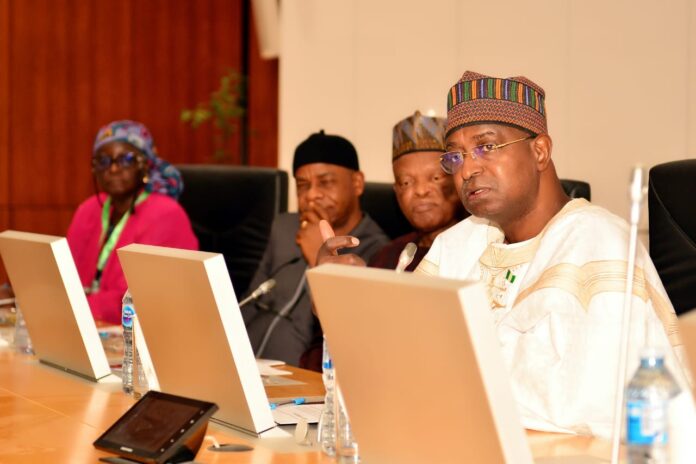
Speaking during a management retreat of the institute last week, Idi Mukhtar Maiha, minister of Livestock Development, said Nigeria still imports a large share of its animal vaccines despite the institute’s more than century long existence.
According to him, the institute currently meets less than 40 percent of the country’s vaccine needs, forcing Nigeria to spend about $1.5 billion annually on vaccine imports.
Maiha said the government’s reform plan targets a reduction of at least $500 million in the vaccine import bill by 2030 through expanded local production and private sector participation.
He noted that strengthening domestic vaccine capacity is essential not only for disease control but also for improving Nigeria’s competitiveness in global livestock markets.
“Opening the institute to structured private sector investment and partnerships will be critical for sustainable growth and commercial viability,” he said.
The minister also linked the reform to Nigeria’s broader livestock transformation agenda, stressing that persistent animal diseases continue to restrict access to lucrative export markets.
He said Nigeria’s beef industry alone holds an estimated export potential of about $3.2 billion if disease surveillance, vaccine supply and diagnostic systems are significantly improved.
Officials say improved vaccine availability could boost livestock productivity, reduce mortality rates and enhance the quality standards required for international trade.
Also speaking, Samuel Anzaku, chief veterinary officer of Nigeria, described the institute as a critical pillar of the country’s animal health architecture.
He said the veterinary regulatory system relies heavily on the institute’s laboratory outputs for disease surveillance, outbreak response and international reporting obligations.
According to him, reliable diagnostic data remain central to early warning systems, risk assessment and national livestock policy planning.
Meanwhile, Nicholas Nwankpa, acting executive director of the institute, said the retreat was convened to assess operational gaps and develop strategies to reposition the institute for global competitiveness.
He said the reform agenda will focus on strengthening vaccine production capacity, expanding research on emerging animal diseases and improving extension support for livestock farmers.
Stakeholders say if successfully implemented, the reform could reduce import dependence, stimulate investment in animal health manufacturing and position Nigeria as a regional supplier of veterinary vaccines.
By Ruth Tene Natsa, Abuja
Ruth Tene, Assistant Editor, Agric/Solid Minerals/INEC
Ruth Tene is an award-winning journalist with over 15 years experience in developmental reporting across several newsrooms, as a reporter, editor and other managerial roles. She holds a Postgraduate Diploma in Journalism from the University of Maiduguri among several other certifications
She has attended several trainings and certifications both locally and internationally and has been recognized for her impactful work in humanitarian reporting, receiving the Gold Award for Humanitarian Services from the Amazing Grace Foundation. She is also a recipient of the Home Alliance Fellowship, reflecting her commitment to fostering a more humane, safer and more sustainable planet.
An active member of professional journalism bodies, Ruth is affiliated with the Nigeria Union of Journalists (NUJ), the National Association of Women Journalists (NAWOJ), and the Agricultural Correspondents Association of Nigeria (ACAN), where she continues to advocate for excellence, ethical reporting, and development-focused journalism.
