



Haley Zaremba
Haley Zaremba is a writer and journalist based in Mexico City. She has extensive experience writing and editing environmental features, travel pieces, local news in the…
More Info
Set us as your preferred Google source
Premium Content
By Haley Zaremba – Mar 13, 2026, 6:00 PM CDT
- Google, Tesla, and other firms have launched Utilize to promote more efficient use of the U.S. power grid.
- The coalition argues that better grid utilization could lower consumer electricity costs and ease pressure from AI-driven data center demand.
- Critics say efficiency alone is not enough and warn Big Tech must still help pay for broader grid expansion and infrastructure upgrades.
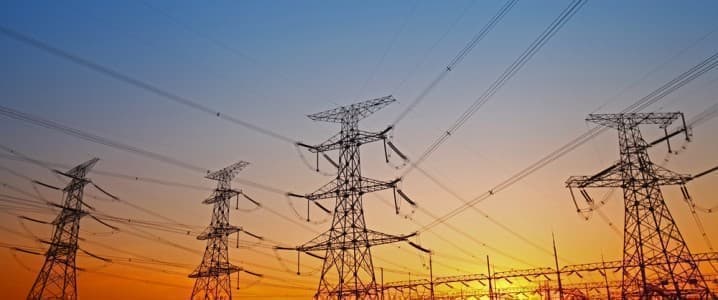
A new coalition of tech firms, including Google and Tesla, is banding together to address the growing issue of energy affordability in the United States. The AI boom is pushing energy grids around the country to the max, and skyrocketing energy demand from the data centers that power large language models is causing energy prices to soar. Until now, consumers have had to pay the price for Big Tech’s AI ambitions, but the coalition – called Utilize – is pledging to lower energy prices across the board by optimizing grid utilization.
“We recognize that there’s a need to prioritize affordability and do so in a way that really empowers states to make the best decisions,” Ian Magruder, Utilize’s executive director, was quoted in an Axios report this week.
The coalition boldly claims that by utilizing the grid more efficiently, consumers in the United States can save over $100 billion over the next decade. The group argues that the grid is designed to accommodate peak-demand hours that occur just a handful of times per year, and that the rest of the time, all of that capacity is sitting unused, and therefore wasted. In fact, a study from Stanford University found that transmission lines in the U.S. were using just 52% of their transmission capacity even at peak hours. Most of the time, they were running at around 30% capacity. This results in consumers paying more per kilowatt-hour than is strictly necessary.

“Battery storage and distributed energy resources are already demonstrating how smarter use of the grid can improve affordability,” says Colby Hastings, Senior Director of Residential Energy at Tesla.
Improving grid utilization would be beneficial for Big Tech in multiple ways. It would ease the pressure of finding sufficient new energy sources to allow the energy-hungry AI sector to continue its rapid buildout and lessen the need for expensive and slow grid expansions. “Unlocking idle grid capacity would let companies like Google connect new loads faster without waiting years for new transmission lines and generation to be built,” reports Electrek.
It would also be beneficial for consumers. “We’ve spent decades building grid infrastructure for peak demand that occurs a handful of hours per year, and consumers pay for all of it year-round,” the Electrek report goes on to say. “If distributed resources like battery storage and virtual power plants can shave those peaks and fill those valleys, the math on electricity costs changes significantly.”
As constituents and policymakers become increasingly discontented with AI’s impact on rising energy prices, calls for Big Tech to provide the funding for grid expansion have been growing louder. While Donald Trump has been encouraging Big Tech to supply its own energy, critics argue that this will result in the development of a ‘shadow grid’ where oversight is slim to none. Trump “essentially envisions a bespoke new power system built in parallel to the existing one,” argues a recent op-ed from the energy editor of non-partisan news outlet Semafor.
Experts argue that the cost of expanding the grid is, in fact, the real issue here. Focusing on energy supply, rather than grid investment, may be allowing Big Tech to once again shirk the full cost of its operations. “Most of today’s cost pressure is coming from transmission, distribution, and system readiness, not energy supply,” Brandon Owens, a grid expert and founder of advisory platform AIxEnergy, was quoted by Politico last week. “Those costs remain even if a data center self-supplies generation.”
The goals of Utilize, too, could water down or disguise the urgency of expanding and updating the nation’s stressed grids. While increasing the efficiency of grid use is a worthwhile goal, it should not come at the expense of ensuring that Big Tech contributes its fair share to national energy production and infrastructure.
That being said, Utilize could substantially benefit the U.S. energy sector and consumers by rallying influential figures around an important and solvable issue. “This is one of the more interesting energy coalitions we’ve seen launch in a while,” writes Electrek. “The reason is simple: it aligns the economic interests of very different companies around a problem that’s genuinely fixable.”
By Haley Zaremba for Oilprice.com
More Top Reads From Oilprice.com
- Oil Prices Dip as U.S. Opens Brief Window for Stranded Russian Crude
- Why $100 Oil Isn’t Going to Spark a New Shale Boom
- The Chokepoint Economy: What Happens When Everything Breaks at Once
Download The Free Oilprice App Today


Back to homepage
Haley Zaremba
Haley Zaremba is a writer and journalist based in Mexico City. She has extensive experience writing and editing environmental features, travel pieces, local news in the…
More Info
Related posts
Leave a comment