
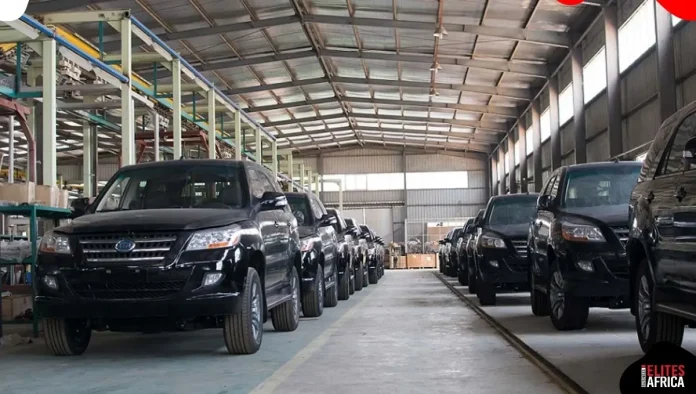



Nigeria’s auto industry is entering a new phase as EF Motors Limited steps into the electric vehicle space with a plan that directly challenges Innoson Motors.
EF Motors, a subsidiary of EF Network, has announced that it will begin assembling hybrid electric cars in Nigeria.
The company is partnering with Chinese automaker Zhejiang Pukao, giving it the technical support and experience needed to compete immediately.
EF Motors is not starting small. It plans to produce up to 100,000 electric vehicles within three years and create 5,000 direct jobs. This alone places the company on a level strong enough to compete with Innoson Motors, Nigeria’s most recognised local carmaker.
The new plant is built for high output and designed for Nigerians
The company’s new assembly plant sits on 30 hectares of land in Imo State. EF Motors says it will produce more than 40,000 hybrid electric vehicles in the first phase. By 2028, the plant aims to hit 100,000 units.
This production scale puts EF Motors in direct competition with Innoson, which has led the local EV space but is currently producing far below its full capacity.
EF Motors has introduced two models, Orca and Panda, designed for Nigerian families and taxi operators. Both vehicles run on electric and fuel engines, giving drivers up to 385 kilometres in range.
The company says this hybrid system can save drivers between ₦10,000 and ₦20,000 daily on fuel.
With government tax waivers for local EV production, EF Motors says it will pass those benefits to buyers, making the cars more affordable.
A full support system is coming
Beyond manufacturing, the company plans to set up public charging stations across the country using grid and solar power.
It also wants to provide after-sales service, spare parts, and repair centres nationwide, something Nigerian car buyers have long demanded from local manufacturers.
The competition with Innoson is clear
Innoson Motors was the first to produce electric cars locally for commercial sale, but EF Motors’ arrival changes the landscape. With a huge production target, Chinese technical partnership, and a clear plan to make EVs cheaper, EF Motors is positioning itself as Innoson’s strongest competitor yet.
Innoson recently confirmed that its cheapest vehicle sells for ₦22 million and that its plant is running at just 20% capacity due to low demand. EF Motors’ entry could push prices down, increase innovation, and force Innoson to step up.
With EF Motors entering the market aggressively, Innoson Motors now has a serious rival. The competition for Nigeria’s electric car market has officially begun, and the biggest winners may be Nigerian buyers looking for cheaper and more efficient vehicles.