
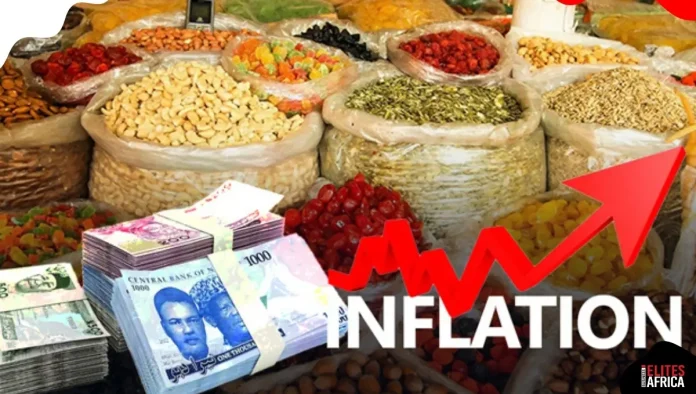



Nigeria’s headline inflation now stands at 18.02%. That is still high, but it marks a meaningful improvement from the 30%+ prints many households and small businesses battled earlier in the year.
Lower inflation may ease pressure on prices and gradually influence lending conditions. Still, borrowing only makes sense when the asset you’re financing earns more than the full cost of the loan.
Purpose, cash flow, and discipline,not excitement, should guide every borrowing decision.
Start with Purpose
If a loan will buy a productive asset that increases income or cuts recurring costs, you’re on the right track. A delivery bike that increases weekly runs, a deep freezer that expands stock for a food business, or equipment that reduces downtime are examples of assets that can pay their way. But borrowing for non-essentials,phones, fashion, or luxury spending,rarely makes sense. In inflationary times, lifestyle debt weakens your financial resilience.
Check Your Cash Flow Before Borrowing
Your debt service (monthly loan payments) should stay within 30–35% of your net income. This buffer allows room for essentials like rent, food, transport, and school fees. If your ratio is already close to that limit, consider reducing the loan amount, increasing your down payment, or waiting until you have a stronger cash cushion. The goal isn’t just to make payments, but to still have money left for living.
Test Your Returns and Run the Numbers
Before signing any loan offer, calculate how much extra profit or savings the asset will create each month. Compare that to your repayment. For instance, if borrowing ₦2.5 million for inventory adds ₦220,000 in net profit while the monthly repayment is ₦160,000, you have a reasonable margin. But always include the cost of fuel, maintenance, and small surprises. If the profit margin vanishes under minor shocks, the loan is risky.
Stress-Test Your Plan
Imagine your operating costs, fuel, rent, and market levies rise by 10%, while sales fall by 10%. If you can still service your debt without panic, your plan is solid. If not, delay or downsize. Inflation punishes fragile cash-flow models. Good borrowers plan for bad months.
Choose Fixed Rates and Manage Tenor
In uncertain times, fixed-rate loans protect you from sudden interest hikes. Keep your repayment period as short as you can manage; longer tenors mean you pay more interest in total. Always request the full repayment schedule and compute the real Annual Percentage Rate (APR), including processing, legal, valuation, tracker, VAT, and insurance. Two loans with similar base rates can differ widely once fees are added.
Borrowing Tips for Professionals and Entrepreneurs
Salaried professionals can consider consolidating small, high-interest debts into a clearer structure if it reduces cost and time to pay off. If financing a car for work, favour a fuel-efficient model and save at least one month of repayments as a buffer. For traders, align loan tenor with your inventory cycle—if you restock every 45 days, avoid year-long loans. For service businesses buying equipment, calculate how much extra income each tool will bring under realistic conditions, not optimistic projections.
Safeguard Your Finances
Keep an emergency fund for at least one month of loan payments. Insure income-generating assets to avoid total loss after theft or damage. Maintain your vehicle or equipment to prevent costly breakdowns. Use loan proceeds strictly for their purpose,mixing funds kills discipline. Where possible, negotiate supplier discounts and customer contracts that stabilise cash flow over your repayment period.