
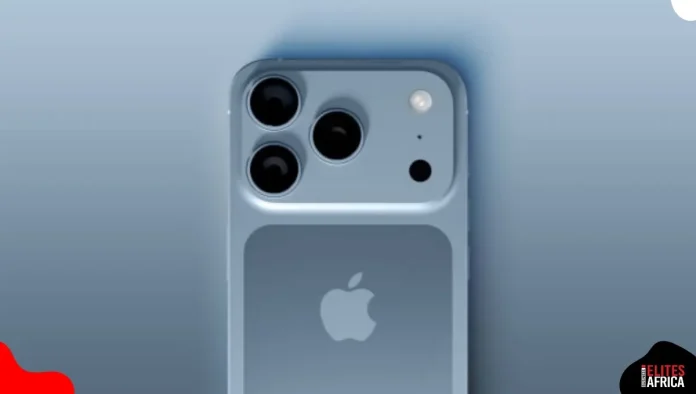



The iPhone 17 is finally on sale, and, true to form, prices look very different from one African market to another.
Apple’s base price starts at $799 for the 256GB model in the U.S., but by the time the phone lands in local stores, import duties, VAT, logistics, exchange rates, and reseller margins push the sticker up.
Below is a quick, reliable snapshot of what buyers are seeing at retail right now, followed by a brief guide to why those gaps exist.
Current prices by market (256GB unless stated)
Egypt: EGP 104,990 (about $1,125). Many retailers still list the device as pre-ordered.
Kenya: KSh 118,000–131,000 (about $915–$1,015). The range reflects retailer pricing; VAT included.
Nigeria: ₦1,869,660 (about $1,247). Quoted from an Apple Premium Store, the 512GB model is ₦2,337,660.
South Africa: R20,799 (about $1,200). Official iStore pricing; the 512GB model is R26,299.
Uganda: UGX 4,300,000 (about $1,227). Base model; minor variation by store.
Why the prices differ
Even with the same model and storage, final prices swing on four levers: taxes and duties at the border, local VAT at checkout, shipping and insurance costs, and currency movements against the U.S. dollar.
In many countries, iPhones are sold primarily through authorised resellers rather than Apple’s own stores, so retailers add margins to cover logistics and risk, another reason two shops on the same street can quote different numbers.
Buying tips
Check several trusted retailers before you buy; prices can move quickly with exchange rates and new shipments.
Confirm warranty coverage and service locations, and ask about instalment plans if you prefer to spread payments. If you’re stepping up to 512GB, budget for a sizable jump, especially in Nigeria and South Africa.