
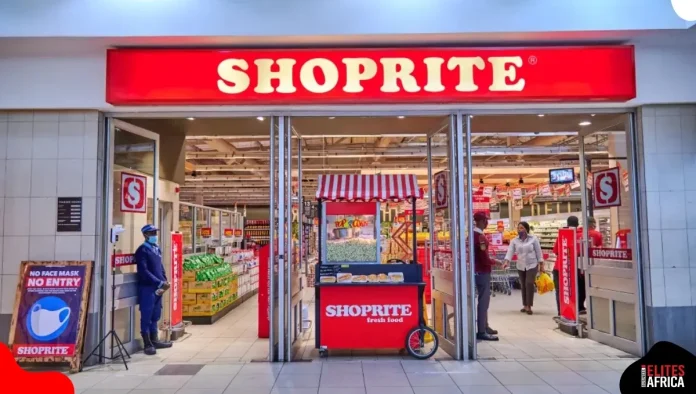



Shoprite has outlined a new plan to make shopping easier, faster, and more reliable for customers in Nigeria.
The company’s local operator, Retail Supermarkets Nigeria Limited (RSNL), says it is not leaving the country. Instead, with backing from new investors, it is rebuilding the business to fit today’s Nigerian economy and to serve shoppers better.
Why this reset is happening
In recent weeks, some customers saw empty shelves and a few temporary store closures. RSNL says these were short-term disruptions while it changed how the business works.
The old approach, big stores, heavy import dependence, and high running costs, no longer fits reality in Nigeria, where the exchange rate is unstable, prices are rising, and cash is tight.
The company is now switching to a leaner, more local model designed to keep shelves stocked, prices fair, and service smooth.
What will change for shoppers
More Nigerian products, more consistent stock, Shoprite says over four out of five items will now come from local suppliers. This should reduce delays linked to imports and help keep essential goods available more often.
Also, store formats that are easier to use. This is a mix of smaller, efficient outlets and refreshed larger locations. Smaller formats are meant to serve both everyday shoppers and bulk buyers without long walks or confusing layouts. Private-label options and value pricing will take centre stage so families can manage budgets without sacrificing quality.
With supplier guarantees, phased payments, and smart stock clearances, the company aims to move goods quickly, cut waste, and avoid stockouts that frustrate customers. By optimising energy use and cutting avoidable costs, Shoprite says it can direct savings toward a better in-store experience, shorter queues, reliable cooling, and steady power for tills and freezers.
How this improves customer service
- Fewer empty shelves: Local sourcing and tighter stock planning reduce gaps in essential goods.
- Shorter checkout times: Efficiency steps free up staff and help keep tills running.
- Clear value on the shelf: A wider range of value lines and private labels gives shoppers more choice at better price points.
- Stores closer to daily needs: Smaller formats make it easier to pop in, find what you want, and leave quickly.
- More reliable operations: Energy and cost controls help the lights stay on and the experience stay consistent.
RSNL’s strategy team describes the moment as a reset, not a retreat. With new investor support, the focus is to build a more local, culturally tuned, and affordable Shoprite that can stand strong in a tough economy and still put customers first.
What suppliers and communities should expect
- Faster product movement: Better planning and quicker stock turn help local producers get paid and grow.
- Broader market access: More Nigerian-made items on shelves means more visibility for local brands.
- Jobs and skills: Smaller and refreshed formats still need trained teams; the reset aims to support front-line staff with simpler store operations.
What to watch next
- Phased rollouts: Expect gradual changes by store and by city as Shoprite retools locations.
- Product mix updates: More everyday essentials and value lines will appear as local partnerships deepen.
- Service tweaks: Queue management, shelf presentation, and in-store communication should improve as the efficiency plan takes hold.