
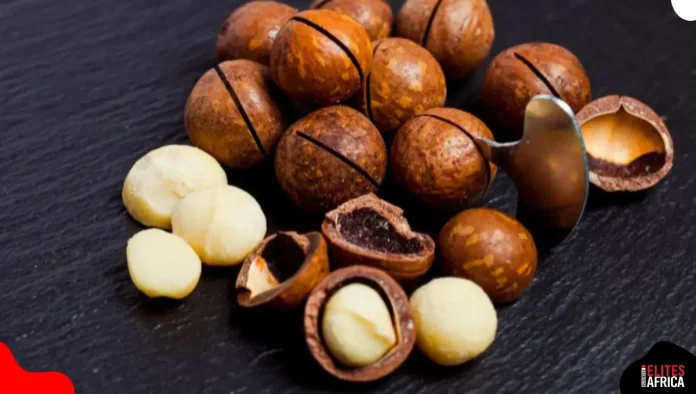



Nigeria has banned the export of raw shea nuts for 6 months to encourage more local processing and keep more value in the country.
Vice-President Kashim Shettima said Nigeria produces nearly 40% of the world’s shea nuts, about 350,000 tonnes a year,but earns only 1% of the $6.5bn global shea market. He called the situation “unacceptable” and said the goal is to move Nigeria from exporting raw nuts to supplying refined shea products to the world.
Shea butter is made by crushing, roasting and boiling the nuts to extract oil. It is widely used in cosmetics, and also in food (such as chocolate and ice cream) and pharmaceuticals.
Shea trees grow naturally across West to East Africa in what is known as the “shea belt,” and many small-scale farmers often women harvest and process the nuts.
Announcing the ban in Abuja, Shettima said it is about industrialisation, rural development, women’s economic empowerment, and expanding Nigeria’s share of global trade. In the short term, the government wants to raise annual earnings from shea products from about $65m to $300m.
Agriculture Minister Abubakar Kyari noted that around a quarter of Nigeria’s shea output is lost to informal, unregulated cross-border trade, which reduces income for farmers and tax revenue for the country.
Agriculture expert Dr Ahmed Ismail of the Federal University of Minna welcomed the ban, saying it should have come earlier and must be paired with better regulation. He said many rural producers are paid very little because they do not know the true value of shea nuts, and buyers take advantage. Stronger rules and local refining, he said, would create jobs, increase government revenue, and help farmers earn more.
The temporary ban is intended to push more processing to happen inside Nigeria—so the country sells butter and other finished products, not just raw nuts.