
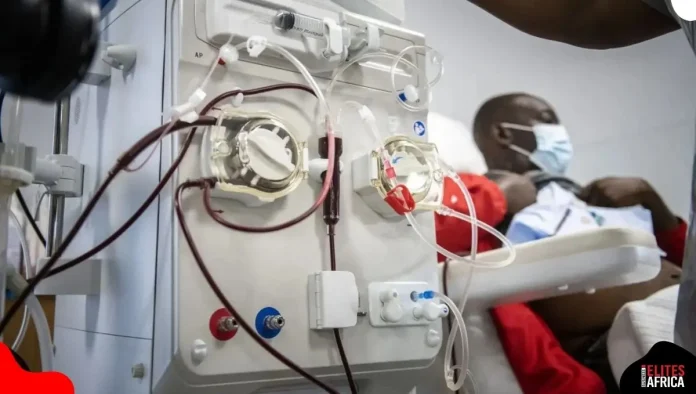



The Federal Government (FG) has recently announced a reduction in the cost of dialysis in public hospitals, dropping the price from ₦50,000 to a more affordable rate.
This change comes at a time when dialysis is becoming an increasingly important medical procedure for individuals suffering from kidney-related ailments, particularly as the number of patients needing dialysis rises.
But what does this cost reduction really mean for the general population, and how can individuals protect their kidney health, especially those who frequently consume herbal mixtures and soft drinks?

What is Dialysis and Why Is It Necessary?
Dialysis is required when a person’s kidneys are no longer able to filter waste and fluids from the blood effectively. This typically happens in the case of chronic kidney disease (CKD), a condition that can develop over time due to various health issues, such as high blood pressure, diabetes, or prolonged use of certain medications. In severe cases of CKD, dialysis or a kidney transplant is needed to keep the patient alive.
There are two types of dialysis:
- Hemodialysis – A machine filters waste from the blood.
- Peritoneal Dialysis – A special fluid is used to clean the blood inside the body.
While dialysis is a life-saving procedure, it’s not a cure for kidney disease. It can help manage the symptoms, but the underlying causes of kidney failure still need to be addressed. This is where prevention and lifestyle changes become critical.
The Risks of Dialysis and Kidney Disease
Dialysis, while crucial, comes with its own set of risks and complications. Some of these include:
Infections: Patients are at risk of infections at the catheter insertion site or within the dialysis machine itself.
Blood Pressure Changes: Dialysis can cause drops or spikes in blood pressure, leading to dizziness or heart complications.
Nutritional Deficiencies: Since dialysis filters out essential nutrients along with waste, patients may experience deficiencies in vitamins and minerals.
Muscle Cramps: The rapid removal of fluid during dialysis can sometimes lead to painful muscle cramps.
It’s important to note that dialysis is typically a lifelong treatment for kidney failure unless a transplant is possible. However, it is possible to delay the progression of kidney disease and avoid dialysis by making healthier lifestyle choices.
How to Protect Your Kidneys and Avoid Dialysis
To protect your kidneys and avoid needing dialysis, it’s essential to focus on prevention. Here are some key lifestyle changes and tips for kidney health:
Limit the Use of Herbal Mixtures: If you use herbal mixtures, ensure they are from trusted sources and have been properly tested for safety. Always consult with a healthcare professional before using herbal remedies, especially if you have underlying conditions like high blood pressure or diabetes.
Reduce Soft Drink Consumption: Cutting back on sugary soft drinks can significantly reduce your risk of kidney disease. Opt for healthier beverages like water, herbal teas, or freshly squeezed fruit juices.
Maintain a Healthy Diet: A balanced diet rich in fruits, vegetables, and lean proteins helps maintain kidney health. Avoid excessive salt, processed foods, and foods high in fat and sugar, as they can contribute to kidney strain over time.
Stay Hydrated: Drinking plenty of water helps the kidneys filter waste and prevent dehydration, which can lead to kidney stones and other complications.
Monitor Your Blood Pressure and Blood Sugar Levels: High blood pressure and diabetes are major risk factors for kidney disease. Regular check-ups and keeping these conditions under control through medication, diet, and exercise are key to preventing kidney damage.
Exercise Regularly: Regular physical activity helps manage weight, blood pressure, and blood sugar levels, all of which are important for kidney health. Aim for at least 30 minutes of moderate exercise most days of the week.