



On the night of July 29, 1966, Nigeria experienced one of the most violent and defining moments in its post-independence history, the July counter-coup. This military uprising, also known as the “July Rematch,” was a direct response to the January 15 coup earlier that same year, and it radically reshaped Nigeria’s political landscape, plunging the country further into ethnic divisions and ultimately paving the way for civil war.
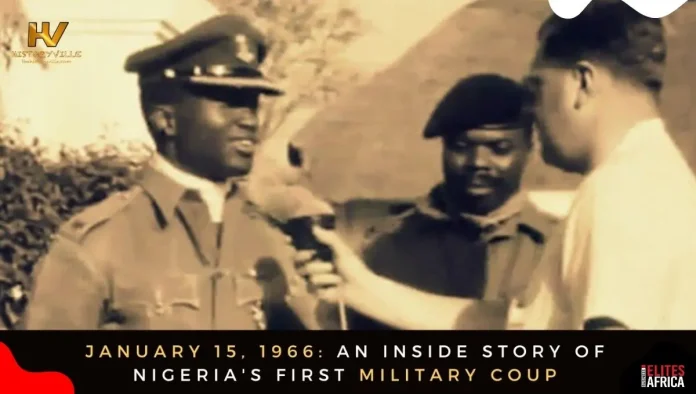
The Backdrop: January 1966 Coup
The January 15, 1966 coup was Nigeria’s first military coup, led primarily by Igbo officers including Major Chukwuma Kaduna Nzeogwu. It resulted in the assassination of key northern political and military figures, including Prime Minister Abubakar Tafawa Balewa and Northern Region Premier Ahmadu Bello. Though the coup was claimed to be aimed at rooting out corruption, it was widely seen, especially in the North, as ethnically biased, sparking deep resentment.
In the aftermath, Major General Johnson Thomas Umunnakwe Aguiyi-Ironsi, an Igbo officer, became Head of State. He tried to unify the country under a unitary system of government but failed to heal the ethnic wounds caused by the coup.
The July 29 Counter-Coup
Just six months later, on July 29, 1966, northern officers, including then-Lieutenant Colonel Murtala Mohammed and Major Theophilus Danjuma, launched a counter-coup. The aim was to avenge the killings of January and restore Northern dominance. The counter-coup was far bloodier, leading to the assassination of General Aguiyi-Ironsi and Lt. Colonel Adekunle Fajuyi, the military governor of the Western Region who chose to die with him.
The killings were brutal and indiscriminate, with hundreds of Igbo soldiers slaughtered in the barracks and on the streets. Estimates suggest that over 300 Igbo military personnel were killed during the operation.
Yakubu Gowon Emerges
In the wake of the chaos, Lieutenant Colonel Yakubu Gowon was installed as the new Head of State. Though a Northerner, Gowon was perceived as more moderate and acceptable to various factions in the army. His leadership marked the beginning of the consolidation of Northern military power.
The Aftermath and Civil War
The July counter-coup deepened Nigeria’s ethnic fault lines. Pogroms against Igbos in the North intensified, forcing tens of thousands to flee to the Eastern Region. Tensions escalated to the point that, by 1967, the Eastern Region, under Lt. Colonel Odumegwu Ojukwu, declared independence as the Republic of Biafra, triggering the Nigerian Civil War (1967–1970).
Legacy of the Coup
The July 1966 counter-coup left scars that Nigeria still struggles with today. It entrenched the military in politics, sowed the seeds for the civil war, and institutionalised ethnic distrust in national governance. It also marked the beginning of repeated cycles of military intervention in Nigerian politics that would last for decades.