
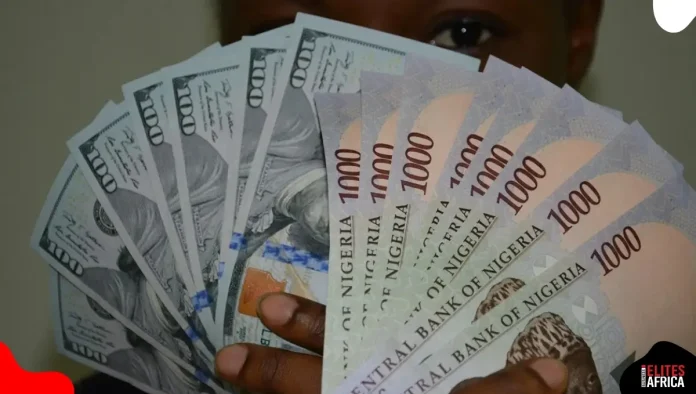



The naira weakened to ₦1,537 against the U.S. dollar in Nigeria’s official Foreign Exchange Market, marking a one‑naira decline from Tuesday’s ₦1,536 rate, according to data published by the Central Bank of Nigeria (CBN).
Official Rate Dips Further
The CBN’s figures show that importers and authorised dealers paid ₦1,537 for each dollar on the official platform, as demand for foreign currency outpaced available supply. This official‑market rate is set by the banks and the CBN’s auctions and interventions.
Parallel Market Sees Unexpected Strength
In contrast, the widely followed parallel,or black,market actually saw the naira firm to ₦1,535 per dollar, up from ₦1,555 the day before. Traders on the street cite improved dollar inflows from individuals and small businesses as one reason for the sudden pullback in the black‑market rate.
Official‑Parallel Spread Inverts
For the first time in recent months, the official rate has slipped below the parallel rate by about two naira. Normally, the parallel market trades at a steeper discount, but this inversion highlights shifting liquidity and confidence between the two windows.
What This Means for Nigerians
A weaker official naira makes imported goods, from electronics to medicines, more expensive in local currency terms. The firmer parallel rate may offer some relief to people who rely on informal channels for remittances or small foreign‑currency purchases.
The CBN will likely consider further interventions, such as additional dollar sales or changes to its auction rules, to narrow the gap and stabilise the currency.