
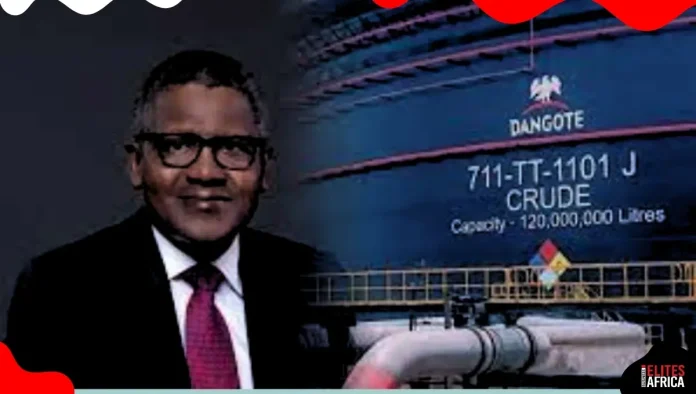



The Dangote Petroleum Refinery has suspended its fuel discount scheme after uncovering widespread fraud among some of its affiliated marketers.
The move, which took effect on July 13, 2025, comes after weeks of internal investigations revealed that discounted fuel meant to help Nigerians access cheaper petrol was being diverted and resold for profit.
Originally designed to help Dangote’s registered partners compete with fuel importers, the discounted supply program was supposed to ensure steady nationwide distribution at affordable prices.
But instead of sending the products to their service stations, some marketers were reportedly reselling them often at higher prices or passing them to unregistered third parties.
The problem became more visible when complaints started pouring in that some of these strategic partners were trading their fuel loading rights known as Authority To Collect (ATC) on the black market.
This meant they were handing over access to the cheaper fuel to others who weren’t part of the original agreement, undermining both the purpose and the fairness of the scheme.
Some partners were also found selling fuel directly at the refinery’s tarmac, below the official depot price, creating confusion in the market and raising sustainability concerns for the refinery’s operations.
In a letter signed by Fatima Dangote, Group Executive Director of Commercial Operations, the company explained that while several warnings had been given, the abuse had worsened.
The suspension, it said, was necessary to protect the integrity of the refinery’s operations and the fuel market at large.
“All existing product notes issued before the suspension date will still be honoured,” the company said, adding that anyone who had already completed payment before July 13 would still receive fuel at the old discounted rate.
However, the company was firm that a review of the scheme was now underway. Energy analyst Olatide Jeremiah confirmed that the fraud was real and widespread.
“Some marketers were collecting discounted fuel and then selling it to others at a profit, instead of delivering it to their stations,” he said. “They were making quick profits of about ₦4 per litre while avoiding the costs and effort of retail operations.”
In some cases, the fraud even involved fuel given on credit under special agreements meant to boost national fuel availability. Instead of keeping to the terms, marketers diverted the extra volumes to independent dealers.
The fallout from the abuse has now created distortions in pump pricing, with some non-affiliated marketers who rely on imports, managing to sell at similar rates as Dangote’s official partners, despite not having access to the discount.
Market reports show that several private depots have adjusted their prices to match the refinery’s, with average ex-depot prices now around ₦820 per litre, down from ₦835 at the start of the week.
Although the Dangote refinery did not name the marketers involved, its list of strategic partners includes several major players like TotalEnergies, MRS Oil, Heyden Petroleum, and Ardova Plc.
For now, the company says it is working on a restructured model that may include new incentive systems. Despite the setback, it has emphasized that the idea of strategic partnerships remains valid, but stricter controls will likely follow.
No names have been officially mentioned, and the Dangote Group’s head of corporate communications, Anthony Chiejina, noted that while the company is aware of the concerns, there is currently no official dispute with marketers.
The scandal has raised questions about the challenges of regulating private sector-led fuel distribution.